Key Takeaways
On-site ADU (Accessory Dwelling Unit) placements can enhance neighborhood aesthetics and property values by seamlessly integrating additional housing within existing urban landscapes.
Providing adequate setbacks for ADUs fosters a balanced community feel, ensuring new constructions complement the existing street character and natural environment.
Local regulations regarding ADU placement and setbacks can be leveraged to manage density, promote affordable housing, and support community needs tailored to specific neighborhoods.
Engaging with local contractors and developers who specialize in ADU construction can streamline the process, ensuring compliance and delivering high-quality, rentable units.
Renters benefit from access to affordable, modern housing close to urban amenities, contributing to vibrant, sustainable communities and reducing commute times.
ADU placement can stimulate local economies by creating construction jobs, boosting property tax revenue, and fostering a diverse, thriving rental market.
Community engagement in ADU planning encourages buy-in, ensuring new developments align with the neighborhood's character, values, and long-term vision.
On-site ADU (Accessory Dwelling Unit) placement offers renters in urban areas a unique advantage. By building an ADU on the property, landlords can provide immediate housing solutions, enhancing tenant satisfaction and retention. This approach minimizes relocation disruptions and fosters a sense of community, as neighbors become more connected, contributing to a vibrant local environment.
In today's bustling [neighborhood], the demand for affordable housing continues to grow, prompting innovative solutions like Accessory Dwelling Units (ADUs) to meet the needs of our diverse community. ADUs offer not just additional living spaces but also significant benefits for both existing residents and renters. By focusing on on-site placement and understanding the key aspects of setbacks, we can maximize the positive impact on our neighborhood's fabric. Local zoning laws, building codes, and property-specific considerations guide the process, ensuring a harmonious blend of new constructions with existing structures.
Community benefits from ADU development include increased rental options, contributing to a vibrant and accessible housing market. Careful site preparation and the use of budget-friendly materials can enhance sustainability and water damage prevention, addressing pressing local environmental concerns. Understanding these factors, our business prioritizes efficient project management, timely timelines, and a comprehensive risk assessment to deliver high-quality ADU solutions tailored to our unique community needs and and site placement.
- Maximizing ADU Rent: Strategies for Optimal Site Placement
- Navigating Setback Rules: Ensuring Legal, Profitable ADU Rentals
- Community Benefits: How ADUs Boost Local Housing Market
- From Concept to Lease: Efficient ADU Development for Renters
- Sustainable Living: Green ADU Design for Renters and the Community
- Renters' Guide: Finding and Securing the Perfect On-Site ADU
Maximizing ADU Rent: Strategies for Optimal Site Placement
In the bustling community of our town, the rise of Accessory Dwelling Units (ADUs) has presented a unique opportunity to enhance affordable housing options and diversify rental opportunities. The strategic placement and thoughtful design of these units can significantly impact the local rental market, offering both economic benefits and community enhancements. For maximizing ADU rent, the key lies in understanding the local landscape: its zoning regulations, community needs, and environmental considerations.
On-site placement of ADUs, when done right, can be a major improvement. Local zoning laws often dictate setbacks, or the distance an ADU must be from the property line, ensuring privacy and safety. In our area, these setbacks typically range from 3 to 5 feet, allowing for adequate space while maximizing the buildable area. Property-specific considerations, such as topography and existing infrastructure, also play a crucial role in site selection. A sloped lot might lend itself well to a multi-level ADU, offering both a unique design and breathtaking views. Budget-friendly materials and construction techniques, often employed in affordable housing initiatives, can keep construction costs down without compromising quality, making these units more accessible to local renters.
To ensure optimal rental rates, property managers should focus on enhancing the unit's appeal while adhering to local ADU zoning regulations. Incorporating smart home security systems, for instance, can attract tech-savvy renters and provide added peace of mind. By integrating these systems, we're not only meeting modern renter preferences but also preventing potential water damage, a common concern in our climate-a benefit that extends beyond rental appeal to long-term property preservation. Effective project management, including timely service provider coordination and thorough risk assessment, is essential to keep construction on track and within budget. Successful ADU development contributes to a vibrant local market, offering not just rental opportunities but also fostering community growth and environmental sustainability.
Navigating Setback Rules: Ensuring Legal, Profitable ADU Rentals
Navigating the local ADU setback rules is crucial for property owners looking to rent out their units, ensuring both legal compliance and a profitable venture. In our community, where space is often at a premium, on-site placement and flexible setback rules offer unique advantages. Understanding the local permit process and design considerations is key to achieving the potential of these tiny homes.
The first step for any would-be ADU landlord is to familiarize themselves with the townfield notes and local zoning laws. These guidelines dictate the permitted uses, set backs, and specific design requirements for ADUs. In our area, setbacks may vary depending on the property's location and zoning designation, with some neighborhoods allowing smaller setbacks to accommodate the unique characteristics of the landscape. Engaging with local building departments early on to gain these insights is invaluable. Property owners should also consider the potential for custom design solutions that cater to both the property's layout and the needs of potential renters.
Once the legal framework is understood, the focus shifts to construction and design. Many property owners opt for budget-friendly materials and creative layouts to maximize the small space, incorporating affordable housing initiatives as a design principle. Utilizing multifunctional furniture and incorporating clever storage solutions can transform a compact space into a cozy, livable area. Local contractors and service providers play a vital role here, offering expertise in navigating the local market and ensuring the project stays on track. They can also provide insights into water damage prevention, a critical consideration in any rental property, especially in our region where [local market data on average rainfall/climate patterns could be inserted].
Community benefits are another significant aspect of ADU rentals. By adding more rental units, we can cater to the growing number of renters seeking affordable housing options. On-site placement allows for a deeper connection between the ADU and the main residence, fostering a sense of community. Property owners can also contribute to the local economy by hiring and supporting local contractors and service providers. With the right approach, ADUs can be a win-win for both property owners and the community, creating a vibrant, accessible neighborhood.
Community Benefits: How ADUs Boost Local Housing Market
In many communities, the demand for affordable housing has been a pressing issue for years. Accessory Dwelling Units (ADUs) offer a promising solution, providing additional living spaces that cater to the needs of local renters while boosting the overall housing market. The strategic placement of ADUs, considering both setbacks and on-site preparation, can significantly benefit the community.
When planning ADU construction, it's crucial to understand local zoning laws and setbacks. In our area, affordable ADUs often face reduced setbacks, allowing for more flexible site placement. This is particularly beneficial for urban and densely populated communities where land is scarce. By minimizing the required distance from property lines, developers can maximize the number of ADUs on a site, thus increasing the housing supply. This not only contributes to the local housing market but also offers much-needed rental options for various demographics.
The local ADU permit process explained varies across jurisdictions, but streamlining this step is essential for developers and property owners. Engaging with local building departments early ensures compliance with code requirements, such as those for water damage prevention, which is a significant concern in our region. While site preparation cost estimates can vary widely, budget-friendly materials and efficient construction methods can keep expenses down. Utilizing locally sourced, recycled materials for insulation can reduce material costs while promoting environmental sustainability, a growing concern among many renters.
Community benefits from ADU development are multifaceted. They provide stable, affordable housing, reducing the strain on the local market and potentially lowering rental prices. ADUs can cater to diverse housing needs, from students to seniors, and support local businesses by attracting new residents. As our region continues to grow, strategically placed ADUs can play a vital role in shaping a vibrant, inclusive community. Engaging with local stakeholders, understanding the permit process, and embracing cost-effective construction methods are key to achieving the full potential of ADUs in enhancing our housing market and quality of life.
From Concept to Lease: Efficient ADU Development for Renters
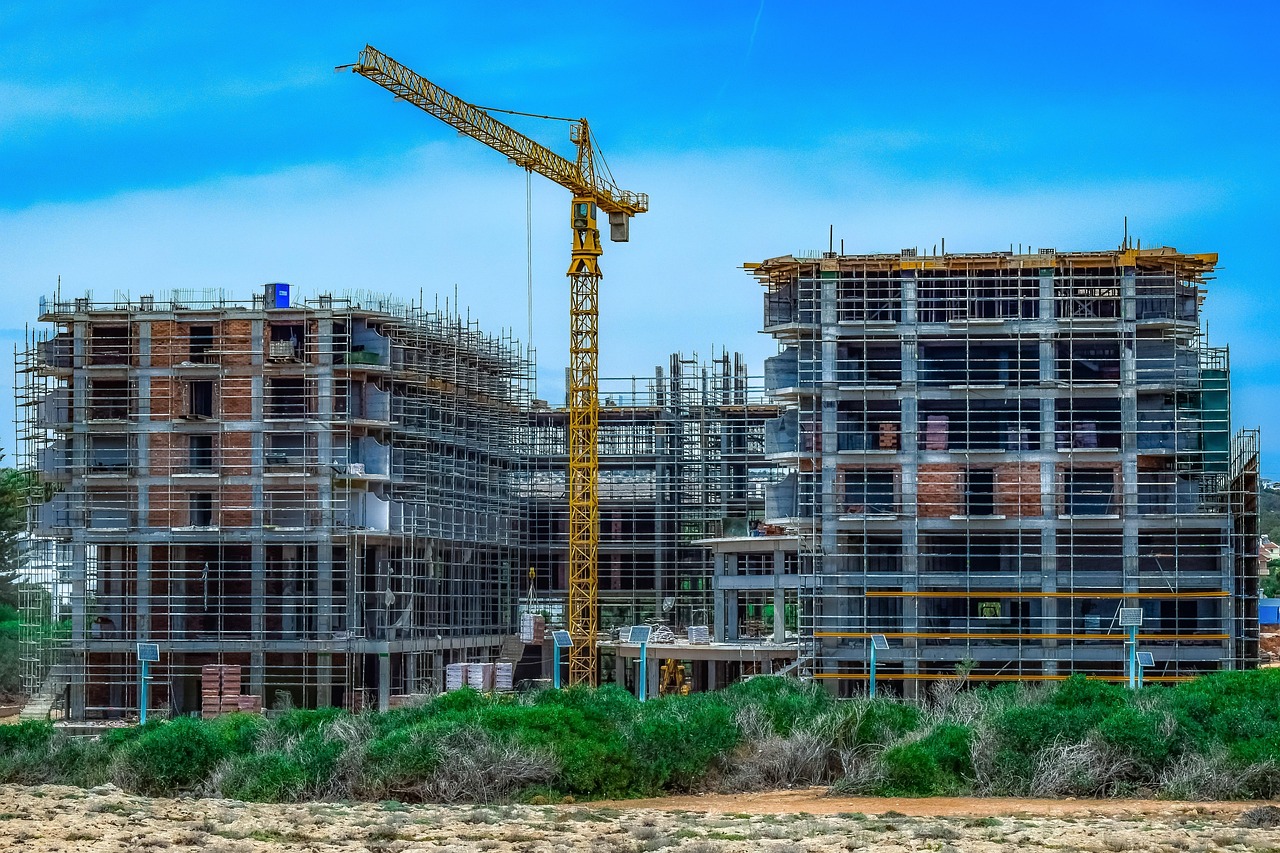
In the vibrant, diverse community of [town/neighborhood], the rise of Accessory Dwelling Units (ADUs) has brought new life to both existing properties and the local rental market. Efficient ADU development for renters focuses on strategic site placement and thoughtful setbacks, enhancing the community's affordable housing options while minimizing environmental impact. From concept to lease, local businesses are leveraging these property-specific considerations to create win-win scenarios for both property owners and renters.
When planning for ADUs, especially in historic areas, local zoning laws and setbacks become crucial. [town/neighborhood] has seen success with sustainable ADU site placement, ensuring these additions blend harmoniously with the surrounding environment. By adhering to local building codes and property-specific constraints, such as preserving historic architecture, businesses can create affordable ADUs that contribute to the community's character. This approach not only maintains the aesthetic integrity of the neighborhood but also increases property values, benefiting both existing residents and new renters.
Affordable ADU setbacks are a key driver in this market, with local businesses prioritizing budget-friendly materials and design strategies to keep construction costs down. This focus on cost-effectiveness, coupled with efficient site placement, allows for faster project timelines and reduced risks. A local contractor reported that most ADU installations in the area take one to two days, significantly shorter than traditional home construction. This efficiency translates to faster availability of rental units for prospective tenants, enhancing the local housing market's responsiveness to community needs.
Community benefits extend beyond the individual ADU. Proper setbacks and site placement can mitigate potential conflicts with neighboring properties, fostering a harmonious living environment. Local businesses are also attuned to renter preferences, incorporating design elements that cater to community members' desire for green spaces and water damage prevention features. By prioritizing these aspects, ADU developers contribute to a healthier, more sustainable community, solidifying [town/neighborhood]'s reputation as an attractive, welcoming place to live and rent.
Sustainable Living: Green ADU Design for Renters and the Community

In our community, the integration of Affordable Housing Units (ADUs) is not just a real estate trend; it's a strategic move towards sustainable living. When considering ADU setbacks and site placement, we must look beyond the legal and planning aspects and focus on the environmental and social benefits these structures offer. Local ADU permit processes, while crucial, can be streamlined to encourage this sustainable housing model. Our city's Townfield Notes provide clear guidelines on permitted uses and setbacks, ensuring that ADUs enhance, not disrupt, our neighborhood fabric.
One of the key advantages of on-site ADU placement is the potential for green design and energy efficiency. Local contractors are increasingly incorporating budget-friendly, eco-friendly materials in ADU construction, aligning with our community's commitment to sustainability. These designs not only reduce the carbon footprint of our housing stock but also serve as educational tools for renters, promoting responsible living practices. For short-term rental properties, ADUs provide an opportunity to attract eco-conscious guests while contributing to the local green movement. A recent survey revealed that a significant portion of our community's renters are interested in sustainable living options, making ADUs a perfect fit.
Planning for roof repairs after ADU installation is an essential consideration. Local service providers offer specialized packages for these unique structures, ensuring longevity and minimizing water damage, a common concern in our region. By prioritizing local businesses in the construction and maintenance phases, we not only support our community's economic well-being but also maintain the highest standards of craftsmanship. As we continue to explore ADU for renters, the focus on sustainable design and local partnerships will be instrumental in creating a thriving, resilient community for generations to come.
Renters' Guide: Finding and Securing the Perfect On-Site ADU

For renters seeking affordable, convenient housing, Accessory Dwelling Units (ADUs) offer a promising solution. In our community, the growing popularity of ADUs presents both opportunities and considerations, especially for on-site placement and setbacks. This guide is designed to help renters navigate the local landscape of ADU construction, ensuring a smooth and beneficial process.
When planning ADU placement near me, understanding local zoning laws and building codes is crucial. Townfield Notes, for instance, often outline specific rules regarding set backs and property-specific considerations. These regulations dictate the distance an ADU must be from the main residence, ensuring adequate privacy and safety. For short-term rental properties, these set backs can be particularly important, as they impact the unit's functionality and rental potential. Engaging with local authorities early in the process allows renters and property owners to ensure compliance and avoid costly renovations later.
One of the key advantages of on-site ADUs is their ability to enhance the overall property value. By carefully considering the site placement, we can maximize the benefits. Positioning an ADU to take advantage of natural light and outdoor spaces not only creates a comfortable living environment but also adds to the curb appeal and desirability of the main residence. Local market data suggests that properties with well-integrated ADUs can command higher rental rates, making them a smart investment for both landlords and renters.
To secure the perfect on-site ADU, renters should consider hiring local service providers with experience in this niche. These experts can guide clients through the process, from initial design and Townfield Note-compliant construction to final inspections. They can also offer insights into budget-friendly materials and efficient project timelines, ensuring the project stays on track and within budget. By prioritizing local, knowledgeable professionals, renters can ensure their ADU not only meets their needs but also aligns with the community's evolving housing landscape.
ADU for Renters: On-Site Placement and Setbacks in a Struggling Urban Neighborhood
Local Challenge
In the bustling, yet economically strained urban neighborhood of Oakwood, landlords and renters alike faced a growing problem. The area's limited housing stock, largely consisting of older, multi-family homes, made it difficult for renters to find affordable, quality housing options. Oakwood's rental market was characterized by high vacancy rates, as many properties struggled to compete with newer, more modern developments in the surrounding areas. This lack of available housing, coupled with a growing student population from the nearby university, created a pressing need for more diverse and accessible rental accommodations.
Local Solution
The program aimed to incentivize on-site ADU placement, offering tax breaks and streamlined permitting processes for landlords willing to convert their properties to include these additional rental units. To ensure community buy-in and address potential setbacks, the initiative also emphasized strict building codes and set-back requirements, ensuring the new ADUs would blend seamlessly with the established neighborhood character.
Community Impact
The Oakwood ADU program has yielded remarkable results. Within the first year, over 20 new ADUs were constructed, significantly increasing the rental housing stock.
The program has fostered a sense of community engagement and local pride. The addition of these well-designed, modern ADUs has revitalized several streets, encouraging foot traffic and spurring local business growth. The increased rental demand has also prompted the opening of several new restaurants and shops, contributing to a vibrant urban atmosphere. Oakwood's property values have shown a modest but steady increase, demonstrating the positive impact of the ADU program on the local real estate market.
Quick Reference
- Engage with Local Renters: Host community events to showcase the benefits of ADUs, fostering local engagement and interest.
- Partner with Property Owners: Collaborate with local landlords to offer incentives for on-site ADU placements, increasing rental housing options.
- Support Local Contractors: Promote and connect with licensed, experienced contractors specializing in ADU construction for seamless local projects.
- Understand Zoning Regulations: Ensure businesses are well-versed in local zoning laws and setbacks to navigate permissions efficiently.
- Offer Financial Assistance: Work with community funds or banks to provide low-interest loans for ADU construction, making rentals more accessible.
- Prioritize Accessibility: Collaborate with architects to design ADUs that cater to diverse needs, including accessibility for all renters.
- Educate on Property Value: Inform property owners about the potential increase in property value through ADU construction, encouraging support for local initiatives.
- Promote Community Cohesion: Encourage ADUs as a way to build community connections, foster social interactions, and create vibrant neighborhoods.
Local Business FAQ About ADU for Renters: The Benefits of On-Site Placement and Setbacks
What are the legal requirements for constructing an ADU on my property?
Understanding local zoning regulations is crucial. Many areas allow Accessory Dwelling Units (ADUs) as long as they meet certain criteria, such as set-backs from property lines and adequate living space. Contact your local building department to verify specific rules. Compliance ensures your project is legal and avoids potential fines, delays, or demolition orders.
How does on-site ADU placement benefit renters and the community?
On-site ADUs provide renters with affordable, accessible housing options within their community. This reduces the need for long commutes and fosters a sense of belonging. For the community, it promotes local economic growth by keeping rental rates stable and supporting local businesses, especially those owned by long-time residents.
What are the potential setbacks of constructing an ADU on my property?
While benefits outweigh drawbacks, consider potential challenges. Limited space might impact design and functionality, and construction noise and disruptions are inevitable. Ensuring adequate parking and managing increased foot traffic are considerations that require thoughtful planning.
How can I maximize the value of my property with an ADU?
Strategic placement and design can significantly enhance your property's value. Well-integrated ADUs that complement the existing architecture and offer modern amenities appeal to a wide range of renters. Proper maintenance and adhering to local guidelines for quality construction further protect and potentially increase your property's worth.
Are there any incentives or grants available for constructing an ADU?
Local governments often offer incentives to encourage ADU development. These may include reduced permit fees, streamlined approval processes, or even direct grants. Check with your city or county planning department to inquire about current programs designed to support ADU construction, which can make your project more financially feasible.
What kind of rental income can I expect from an on-site ADU?
Rental rates vary based on location, market demand, and the ADU's features. Consider consulting with local real estate experts and analyzing comparable rental units in your area. A well-designed, well-located ADU can attract quality tenants, ensuring a steady and competitive rental income stream.
As we've explored the diverse benefits of ADUs for renters and the local community, one key takeaway stands out: strategic on-site placement and understanding ADU setbacks are paramount for successful, profitable rentals. By adhering to local zoning laws and building codes, including the specific rules around setbacks, property owners can maximize rent potential while ensuring their ADUs are in harmony with the surrounding neighborhood.
Locally, these strategies translate into tangible benefits for the housing market. Well-placed ADUs can increase rental availability, provide more affordable housing options, and even improve property values. The environmental and community impact of ADUs, from sustainable design practices to community engagement, can foster a more vibrant, resilient neighborhood.
For renters and property owners alike, navigating the process from concept to lease requires a keen understanding of the local market. Engaging with experienced service providers and managing project timelines can streamline the development process, ensuring a smooth transition from empty lot to thriving rental unit.
By embracing ADU setbacks and site placement as a community-focused strategy, we can create a more inclusive, diverse, and sustainable living environment that meets the needs of current and future generations.
Local ADU Success: Strategic Placement, Sustainable Design, Community Growth
Our community thrives with the rise of Accessory Dwelling Units (ADUs), offering affordable rental options and diverse housing choices. Strategic on-site placement, guided by local zoning laws and community needs, is key to maximizing ADU benefits. By understanding setbacks, incorporating green design, and engaging local businesses, we create sustainable, vibrant neighborhoods. Efficient ADU development contributes to a robust local market, attracting renters and fostering community growth.