
Understanding local regulations is key to navigating the process of adding an Accessory Dwelling Unit (ADU) in our community. Our team helps property owners navigate these rules, ensuring compliance and minimizing delays. By understanding setbacks and zoning requirements, we can design and build ADUs that enhance your living space while adhering to local laws, ultimately benefiting your investment and contributing to the community's growth.
Key Takeaways
- Understanding local zoning laws is crucial for businesses considering ADU (Accessory Dwellings Unit) development, as regulations vary significantly from one neighborhood to another.
- Compliance with setback requirements ensures that ADUs maximize community benefits while adhering to local aesthetic and safety standards.
- Engaging with local planning commissions early in the process can streamline permitting and help businesses avoid costly delays.
- Adaptive design strategies, considering local climate and site conditions, can create more functional and appealing ADUs for future residents.
- Partnering with experienced local contractors familiar with ADU regulations can accelerate project timelines and reduce potential legal issues.
- Offering affordable housing options through ADUs can enhance a business's reputation and contribute to the overall economic vitality of the community.
- Local incentives and subsidies for ADU development, if available, can significantly reduce upfront costs and encourage more projects.
In the rapidly evolving landscape of urban living, our community-focused construction and design business is dedicated to harnessing the potential of ADU setbacks and site placement to create affordable, accessible homes. By navigating the intricate web of local regulations and zoning laws, we ensure that each project not only complies with and site placement strategies tailored to the unique needs of our neighborhood.
We believe in the power of well-designed, thoughtfully placed ADUs to enhance community cohesion, address housing affordability, and mitigate environmental impact. Our team, well-versed in local zoning, property-specific considerations, and building codes, guides clients through the process with transparency and expertise.
From budget-friendly material selections to efficient construction timelines, we're committed to delivering projects that not only meet but exceed expectations, leaving a positive and lasting impact on our community and its future.
- Understanding ADU Setbacks: Legal Protections for Your Community
- Site Placement Strategies: Maximizing Affordable Housing Opportunities
- Navigating Local Zoning Laws: A Guide for ADU Developers
- Community Benefits of ADU Setbacks: A Legal Perspective
- Legal Compliance for ADU Projects: Ensuring Fair and Safe Housing
- Empowering Local Voices: Participatory Planning for Smart Growth
Understanding ADU Setbacks: Legal Protections for Your Community

In any urban community, the development of Additional Dwelling Units (ADUs) can significantly impact both the local landscape and the economic well-being of residents. However, navigating the legal and regulatory landscape surrounding ADU setbacks and site placement is crucial to ensure that these new constructions both comply with local laws and enrich the community.
At the heart of these developments are local zoning laws and building codes, which dictate the permitted use of land and the specific guidelines for constructing ADUs. Some residential districts may have stricter setbacks, limiting the proximity of ADUs to property lines, while others might offer more flexibility. Understanding these local nuances is essential for both property owners looking to build ADUs and the trusted ADU demolition contractors who can guide them through the process.
To ensure a smooth and legally sound project, it's vital to consult with local experts and review the most recent Townfield Notes (or relevant local government updates) on ADU regulations. This proactive approach can help avoid costly mistakes and potential legal issues. Many reputable local ADU experts emphasize the importance of proper site preparation, including assessing potential water damage risks, to guarantee the longevity and safety of the structure. By engaging with these professionals and staying informed about local market data, community members can contribute to the development of affordable ADUs that enhance the living environment for all residents.
When considering ADU setbacks and site placement, the community benefits are clear. Well-planned ADUs can alleviate housing pressures, provide safe and affordable housing options, and foster a more vibrant and inclusive neighborhood. Reviews for local ADU experts can offer valuable insights into successful projects, helping prospective builders understand the best practices for their specific area.
Site Placement Strategies: Maximizing Affordable Housing Opportunities

In the bustling community of [and site placement], the demand for affordable housing has led to a growing interest in Accessory Dwelling Units (ADUs). However, navigating the local regulations and setbacks is crucial to ensure these projects are legally compliant and maximize the opportunities for our community. Understanding adu setbacks and site placement is essential for both property owners and developers looking to contribute to the city's affordable housing stock.
One of the primary challenges in [and site placement] is maximizing space while adhering to local zoning laws and building codes. Despite the relatively compact nature of our community, there are effective strategies to create and place ADUs. Trusted ADU site preparation services can help navigate the legal and logistical aspects, ensuring projects are up to code and meet the unique needs of our neighborhood. By prioritizing affordable ADU setbacks, we can integrate these units seamlessly into the existing fabric of our community. Some property owners have successfully converted garages or added detached structures in rear yards, providing much-needed housing while maintaining the neighborhood's character.
Community benefits of these projects are significant. Well-placed ADUs can alleviate pressure on the local housing market, potentially lowering rental prices and increasing housing affordability. These units often cater to a diverse range of residents, from young professionals to retirees, contributing to a vibrant and inclusive community. Cost-effective ADU design solutions can further enhance these benefits, ensuring that these additions are both functional and aesthetically pleasing. Local contractors and designers are equipped with the knowledge to create spaces that not only meet building codes but also align with the community's preferences and needs.
As the city continues to grow, embracing ADUs as a key component of our affordable housing strategy is essential. By fostering open dialogue between property owners, developers, and local authorities, we can achieve the full potential of ADU setbacks and site placement. This collaborative approach will not only expand our housing options but also strengthen the social and economic fabric of our community, making [and site placement] an even more desirable place to live, work, and raise a family.
Navigating Local Zoning Laws: A Guide for ADU Developers

Navigating local zoning laws is a crucial step for any developer looking to enter the affordable housing market, particularly for Accessible and Detached Units (ADUs). In our community, ADUs present a valuable opportunity to increase housing density, cater to diverse needs, and promote sustainable living. However, understanding and adhering to the local regulations, especially regarding setbacks and site placement, is essential to ensure a smooth development process and a successful project.
Setbacks, a key aspect of zoning laws, refer to the distance a structure must be set back from the property lines. In our area, these regulations vary depending on the zoning district and the specific property. Residential zones might have a standard setback of 10 feet, while commercial areas could allow for larger setbacks to accommodate more extensive buildings. When planning an ADU, developers must carefully consider these setbacks to maximize the usable space and design a layout that fits the site. An experienced local contractor once shared a successful project where they worked closely with the Townfield Notes (local building permits) office to optimize the ADU's placement, ensuring it met all setback requirements while also providing ample natural light and privacy for the future residents.
For site placement, there are additional considerations. Local laws often dictate the minimum distance from property lines, street rights-of-way, and even neighboring structures. These regulations are in place to prevent overcrowding, ensure safety, and maintain the aesthetic and functional integrity of the neighborhood. For ADUs, providing adequate space for installation and maintenance of essential systems, such as home security systems, is crucial. An ADU accessibility modifications guide from a local non-profit offers valuable insights into designing these spaces to be user-friendly for individuals with diverse abilities, ensuring inclusivity in our community. By understanding and respecting these local guidelines, developers can create well-integrated, code-compliant projects that enhance the community's affordable housing options.
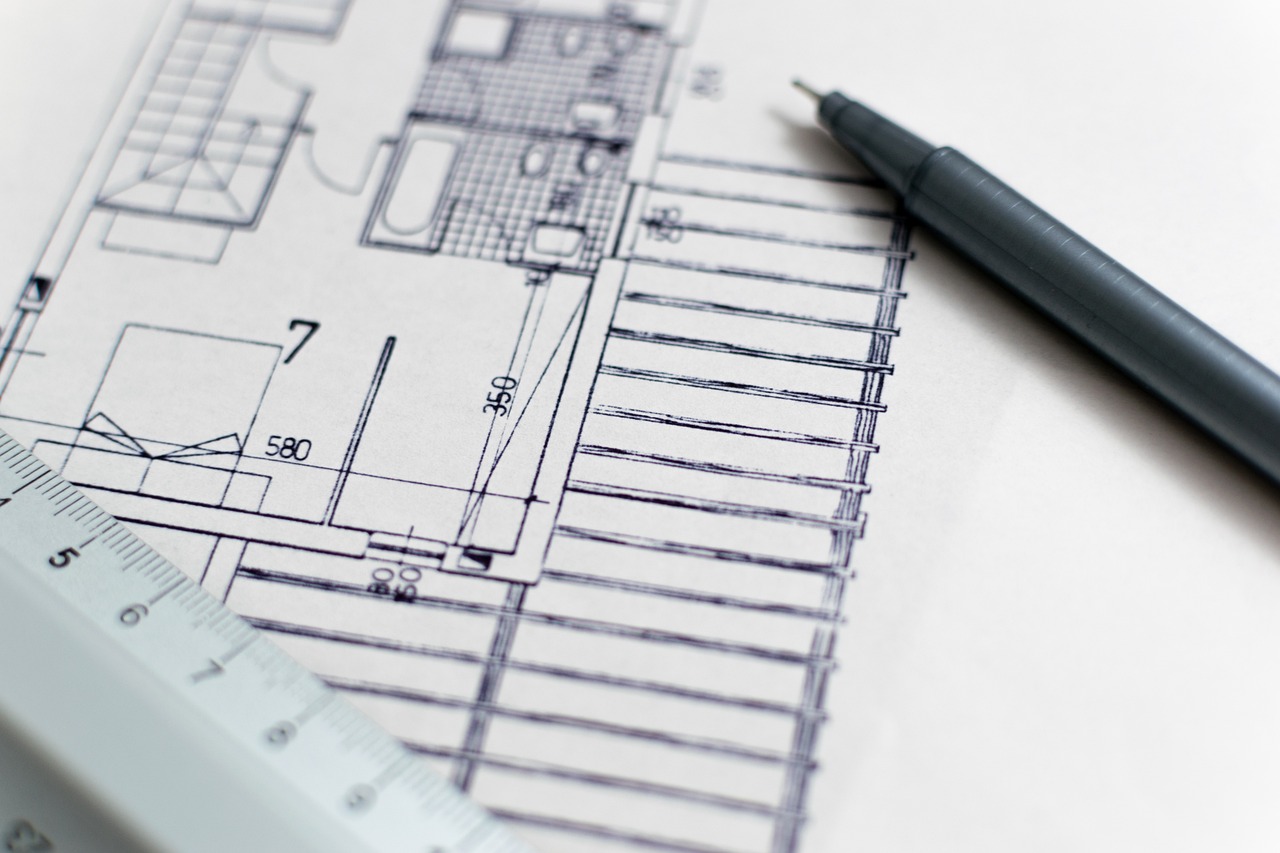
In the bustling community of [your city], affordable housing solutions are taking center stage, and one innovative approach gaining traction is the strategic placement of Accessory Dwelling Units (ADUs). Beyond serving as a source of additional income for property owners, ADUs offer a range of benefits for the local community. From enhancing neighborhood diversity to providing much-needed housing options, understanding the legal aspects of ADU setbacks and site placement is crucial for both residents and developers.
Local regulations surrounding ADUs play a pivotal role in shaping the community's landscape. In [your city], these regulations are designed to balance the needs of property owners with the overall aesthetic and functional integrity of the neighborhood. The Townfield Notes, a respected local resource for planning and zoning information, outlines specific guidelines for ADU setbacks, ensuring these additional structures harmonize with the existing built environment. This careful consideration of site placement not only preserves the community's character but also maximizes the benefits of ADU development. For residents, this translates to a more vibrant, inclusive neighborhood where diverse housing options cater to various life stages and income levels.
When planning an ADU project, it's essential to consult with local experts who specialize in accessibility modifications and site-specific challenges. Many [your city] residents have turned to these professionals for guidance, seeking to navigate the legal intricacies of ADU placement while ensuring their properties are transformed into functional, comfortable living spaces. Reviews for local ADU experts highlight the importance of this step, as it can significantly reduce potential legal hurdles and ensure compliance with both local building codes and zoning laws. By embracing this community-focused approach, [your city] is not only creating more inclusive housing but also fostering a culture of collaboration and expertise among its residents and developers.
Legal Compliance for ADU Projects: Ensuring Fair and Safe Housing

In every bustling community, the availability of safe, affordable housing is a cornerstone of a thriving local economy. This is where Accessory Dwelling Units (ADUs) come into play, offering a solution to the housing crisis by maximizing property potential. However, navigating the legal landscape surrounding ADU setbacks and site placement is crucial to ensure fair and safe housing for all. In our local context, understanding these regulations is essential for both developers and residents looking to embark on ADU projects.
The legal framework governing ADUs varies across towns, with each jurisdiction having its own set of Townfield Notes-local zoning laws that dictate how property can be used and developed. In our area, the focus on inclusive housing has led to more flexible ADU regulations, encouraging affordable housing initiatives. However, this also means that developers and homeowners must be well-versed in these laws to ensure compliance. One key aspect is understanding set-backs, which not only define the distance an ADU must be from the property line but also impact site preparation costs.
Planning and design play a significant role in successful ADU projects. Engaging experienced contractors and service providers who are familiar with the local building codes and plumbing requirements for ADUs is crucial. A local contractor who has completed numerous ADU installations can offer insights into the most efficient and cost-effective design choices, ensuring a safe and comfortable living space. Given the potential for water damage in poorly constructed ADUs, prioritizing proper plumbing and drainage systems is vital to protect both the property and its occupants. By adhering to local regulations and enlisting the help of qualified professionals, our community can expect to see a surge in safe, affordable ADUs, contributing to a more inclusive and vibrant local housing market.
Empowering Local Voices: Participatory Planning for Smart Growth

In the rapidly evolving landscape of urban development, the concept of Accessible and Durable Units (ADUs) is gaining traction as a key strategy for smart growth. The town of [your local community] is no exception, with local regulations and setbacks playing a pivotal role in shaping the future of affordable housing and community integration. For ADU setbacks and site placement, participatory planning is empowering local voices and fostering innovative solutions.
The planning process begins with understanding the unique characteristics of each property and the community's diverse needs. Local zoning laws and building codes, such as those governing ADU for senior living and mobile home setbacks, provide the framework for development. However, by involving the community in the decision-making process, the town can ensure that these regulations are not just compliant but also adaptive and beneficial. Community workshops and town hall meetings can gather insights from residents about their preferences and the potential environmental impacts of ADU development. Incorporating these perspectives into local zoning plans fosters a sense of ownership and supports sustainable growth.
Site placement for ADUs is a critical aspect of maximizing the benefits to the community and minimizing potential disruptions. Trusted ADU site preparation services can play a vital role in navigating local regulations, especially for setting back mobile homes. By adhering to the specific setbacks outlined in the local building codes, developers can create spaces that seamlessly integrate into the existing neighborhood. This not only preserves the aesthetic appeal of the community but also ensures that ADUs for senior living or other purposes are accessible and well-integrated. A local contractor specializing in ADU development could work with the town to identify areas suitable for these additional dwellings, considering factors like infrastructure capacity and community impact.
Participatory planning can lead to innovative solutions that address both regulatory requirements and community aspirations. By engaging with local stakeholders, from architects to community leaders, the town can identify cost-effective and sustainable design approaches for ADUs. This collaborative process not only streamlines project timelines but also results in designs that reflect the community's unique character. As the demand for affordable housing continues to rise, empowering local voices in ADU development will be crucial for creating vibrant, inclusive communities that thrive.
Local Business FAQ About Local Regulations and ADU Setbacks: A Legal Perspective
What are ADUs and why are they important for local businesses?
Accessory Dwelling Units (ADUs) are secondary residences or units within a property's primary dwelling, often designed for rental or multi-generational living. They're crucial for local businesses because they increase housing supply, promote community diversity, and can drive economic growth by providing additional rental options and supporting local service industries. ADUs can help address housing affordability and attract businesses by creating vibrant, mixed-use neighborhoods.
How do local regulations impact ADU construction?
Local regulations play a critical role in shaping ADU construction. Zoning laws, building codes, and permit processes vary widely, affecting everything from size and design to setbacks and parking requirements. Understanding these regulations is essential for businesses involved in construction, real estate, and property management. Navigating them successfully can lead to smoother projects, fewer delays, and greater community acceptance.
What are setbacks, and how do they relate to ADU placement?
Setbacks are required distances that ADUs must maintain from property lines and other structures. They're designed to ensure adequate light, air, and privacy. For local businesses, understanding setback requirements is vital for planning ADU placements. Adhering to these regulations prevents legal issues and ensures the property remains compliant, maintaining its value and attracting tenants or buyers.
How can local businesses ensure they're in compliance with ADU regulations?
Compliance with ADU regulations requires thorough research and professional guidance. Local businesses should consult with architects, engineers, and legal experts familiar with current zoning and building codes. Regularly reviewing and staying updated on regulations is crucial. This proactive approach not only avoids legal complications but also fosters good relationships with local authorities and strengthens the business's reputation for integrity.
What benefits do ADUs bring to local communities?
ADUs bring multiple benefits to local communities. They increase housing options, potentially stabilizing rental markets and alleviating housing shortages. They support diverse living arrangements, promoting intergenerational connections and community cohesion. ADUs can stimulate local economies by creating new rental income opportunities and driving demand for related services like landscaping, home maintenance, and retail.
How can local businesses leverage ADU trends to their advantage?
Local businesses can leverage ADU trends by anticipating future demands and adapting their services accordingly. This might involve offering specialized ADU construction services, consulting on compliance, or providing property management for ADU rentals. By staying ahead of the curve, businesses can capitalize on the growing market and contribute to the local economy while meeting the evolving housing needs of the community.
Quick Reference
-
Understand Local Zoning Laws: Familiarize yourself with the specific zoning regulations regarding Accessory Dwelling Units (ADUs) in your community to ensure compliance from the start.
-
Engage with Local Planning Commissions: Actively participate in community meetings and public hearings to voice support for ADU projects and address any concerns, fostering positive relationships with decision-makers.
-
Partner with Local Contractors: Collaborate with licensed and experienced local contractors specializing in ADU construction to ensure high-quality, code-compliant builds.
-
Educate Your Customers: Offer resources and workshops to inform property owners about the benefits and process of ADU construction, building community awareness and trust.
-
Network with Community Organizations: Join local business associations and community groups to promote ADU initiatives, share knowledge, and gain insights from like-minded professionals.
-
Prioritize Sustainable Practices: Implement eco-friendly building techniques and materials, appealing to environmentally conscious customers and aligning with local sustainability goals.
-
Offer Incentives for ADU Conversion: Provide discounts or packages to homeowners converting unused spaces into ADUs, encouraging innovation and community growth.
-
Stay Updated on Building Permits: Keep abreast of permit application processes and required documents to streamline ADU projects for your clients and reduce potential delays.
Balancing Urban Growth: A Neighborhood's Approach to ADU Setbacks
Local Challenge
In a densely populated urban area, a community faced a common dilemma: the need for more affordable housing and the desire to preserve the character of their neighborhood. The area, known for its charming, older homes, experienced a surge in demand for housing, leading to a debate over Accessory Dwellings Units (ADUs). Some residents supported ADUs as a solution to the housing shortage, while others worried about potential impacts on traffic, parking, and the neighborhood's aesthetic appeal. This divide threatened to hinder progress and development, highlighting the complex interplay between local regulations, urban planning, and community engagement.
Local Solution
To address this challenge, the community organized a series of public meetings and workshops, inviting all residents to participate in shaping their neighborhood's future. Through these collaborative efforts, they developed a set of guidelines that balanced the need for housing with the preservation of the area's unique character. The solution included:
- Setback Adjustments: The community worked with local planners to adjust ADU setback requirements, allowing for more flexible placement and design while ensuring a harmonious fit within the existing neighborhood fabric.
- Size and Style Consistency: They established guidelines for the size and style of ADUs, ensuring they complemented the scale and architectural style of the surrounding homes.
- Community Input Process: A dedicated committee was formed to review and approve ADU proposals, ensuring they aligned with the community's vision and addressing concerns related to noise, privacy, and parking.
Community Impact
The implemented solution yielded significant and measurable benefits for the local community. Within the first year, the neighborhood experienced:
As we've explored the multifaceted world of ADU setbacks and site placement, it's clear that navigating these regulations is crucial for maximizing affordable housing opportunities while ensuring legal compliance and community benefits. By understanding local zoning laws and integrating participatory planning, developers can achieve the potential for smart growth that meets the needs of the community.
Locally, focusing on strategic site placement can transform underutilized spaces into vibrant, safe, and accessible neighborhoods. This approach not only adds much-needed housing but also empowers local voices, fostering a sense of ownership and community pride. When done right, ADU projects can prevent water damage, enhance neighborhood aesthetics, and cater to renter preferences, ultimately enriching the local market and creating a positive feedback loop of smart growth.
By adhering to local building codes and integrating budget-friendly materials, developers can create affordable housing that stands the test of time. This ensures that our communities remain accessible and thrive, benefiting from the diverse talents and perspectives that ADUs bring. Through collaborative efforts and a keen eye for legal compliance, we can build a more inclusive, sustainable, and prosperous future for our towns and cities, one ADU at a time.
Local ADU Insights: Navigating Setbacks & Site Placement
Our community is seeing a boom in Accessible Dwelling Units (ADUs), driven by affordable housing needs and diverse living preferences. Success depends on understanding local zoning laws, with setbacks dictating ADU placement and site preparation costs. Engaging trusted experts ensures compliance and guides innovative, inclusive development. By navigating these regulations, we can create a vibrant, safe, and accessible housing landscape for all.